PMES Corporate Fitout
6 Min Read
12 August 2026Refurbishment vs. Relocation: Unlocking Greater Value from Existing Workplaces
Share
Table of Contents+
Introduction
When organisations evaluate their workplace strategy, one of the most important questions is whether to relocate to a new office or transform the workplace they already occupy.
Traditionally, relocation has been viewed as the natural response to business growth, changing workplace requirements and evolving employee expectations. However, organisations today are increasingly looking at how they can make better use of their existing real estate before committing to a move.
In my experience, some of the most effective workplace transformations have not involved moving to a new address. Instead, they have involved rethinking existing spaces, improving utilisation and upgrading the workplace while keeping business operations running.
The choice between refurbishment and relocation is therefore much more than a real estate decision. It is a business decision that can influence costs, productivity, employee experience, operational continuity and the organisation’s ability to support future growth.
Looking Beyond Square Footage
Business growth does not always mean that an organisation needs more office space. In many workplaces, the opportunity lies in using the existing footprint more effectively.
I have worked with organisations that initially believed they had reached the limits of their existing space, only to discover through workplace assessments that the same footprint could be reconfigured to accommodate additional workstations, collaboration areas, training rooms and support facilities.
Often, the challenge is not the amount of space available but how effectively that space is being utilised.
A strategic refurbishment can help organisations address evolving workplace requirements without necessarily increasing their real estate footprint. It can also reduce the investment and disruption associated with moving to a completely new location.
Before deciding to relocate, organisations should therefore evaluate whether their current workplace can be adapted to meet their future requirements.
Refurbishing While the Business Continues
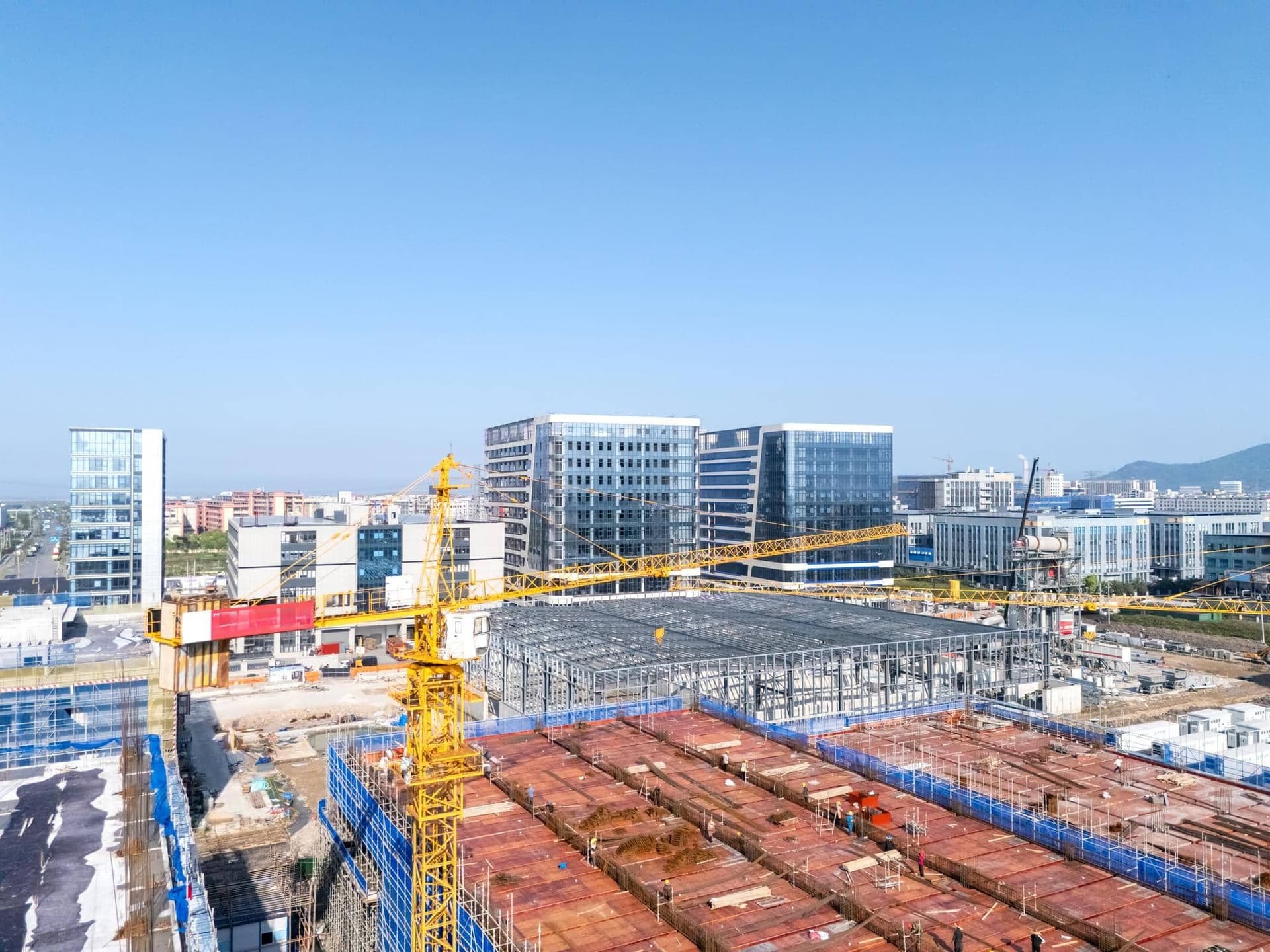
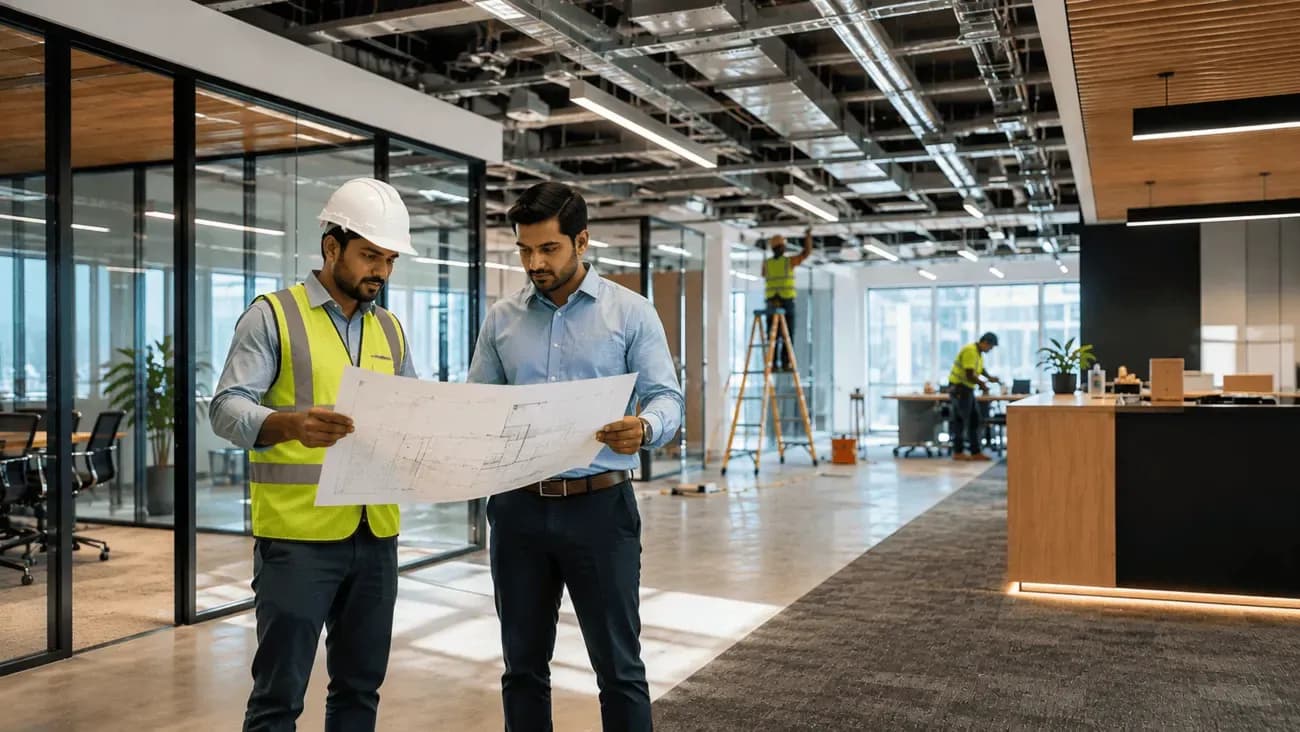
The complexity of refurbishment increases significantly when employees continue to work from the premises during construction.
Unlike a vacant office fit-out, refurbishment within an occupied workplace requires construction activity to coexist with employees, leadership teams, visitors and critical business functions. Maintaining business continuity becomes as important as delivering the physical transformation.
Having managed workplace upgrades within live environments, I have seen how much emphasis needs to be placed on stakeholder management, employee communication, safety protocols, temporary relocations, access management and minimising disruption.
This requires a project approach that goes beyond construction. The project team must understand the organisation’s day-to-day operations, critical business functions and employee movement patterns to ensure that the transformation can be delivered without affecting productivity.
Successful refurbishment is ultimately about balancing two priorities: transforming the workplace while keeping the business running.
The Importance of Phased Execution
In an occupied workplace, shutting down an entire office for renovation is rarely practical. This makes detailed planning and phased execution critical to the success of a refurbishment programme.
Work can be divided into carefully sequenced phases, allowing one part of the workplace to remain operational while another undergoes refurbishment.
This approach has enabled organisations to transform entire floors, training facilities, collaboration areas, cafeterias and support functions while maintaining business continuity.
However, phased execution requires close coordination between workplace teams, business stakeholders, technology teams, contractors and project managers. Each phase needs to be planned around business operations, employee movement, infrastructure requirements and site safety.
When this coordination is managed effectively, the transformation can progress with minimal disruption to employees and the organisation.
Creating Value from Existing Spaces
One of the key advantages of a refurbishment-led approach is the opportunity to identify value within spaces that may currently be underutilised.
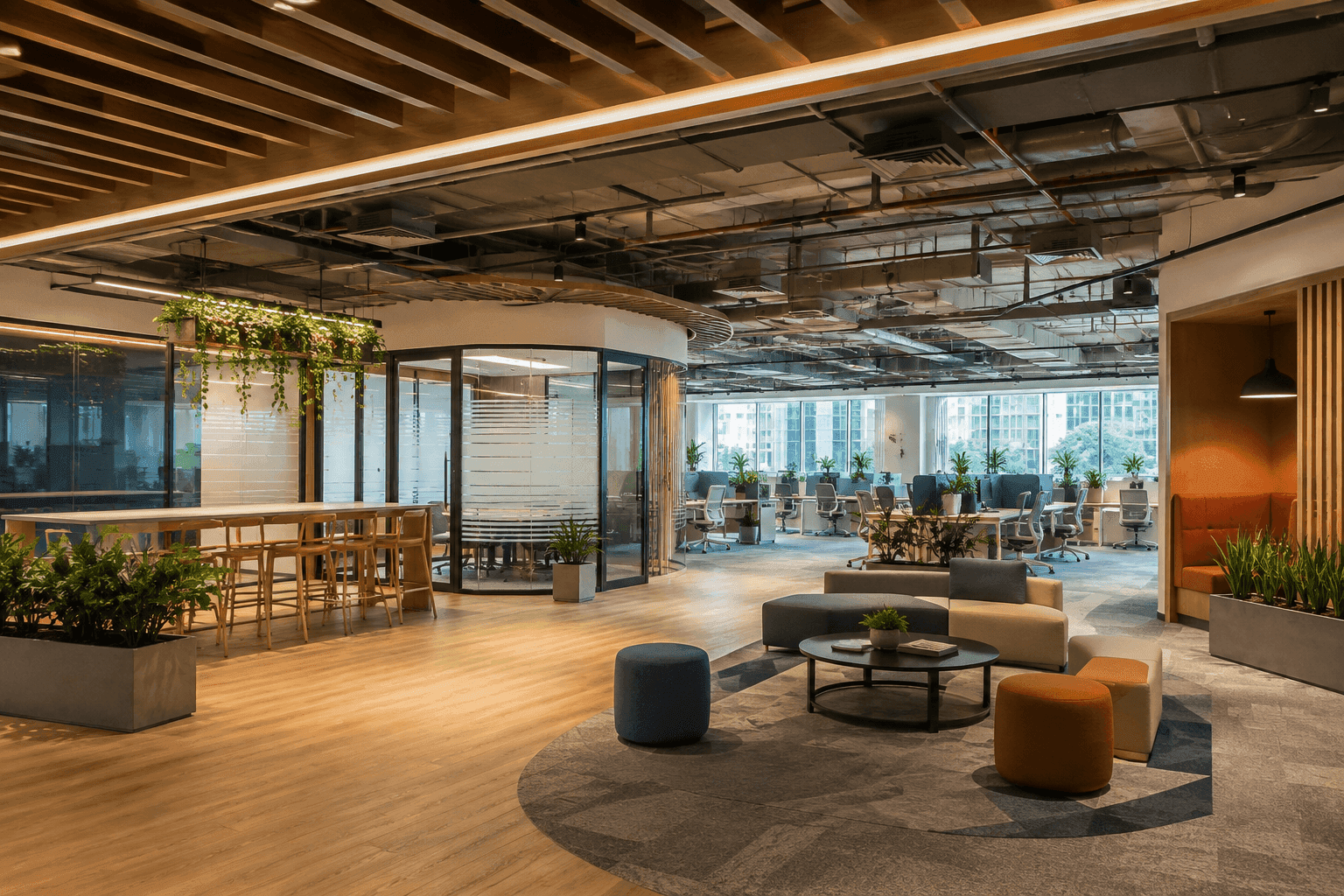
An unused corner can potentially become a productive workspace. An underutilised room can be converted into a training or collaboration facility. Existing layouts can be optimised to create additional capacity without significant structural changes.
The objective should not simply be to make an office look newer or more contemporary. A successful refurbishment should address a specific business requirement and improve the way the workplace performs.
In my experience, targeted interventions can deliver meaningful improvements in space utilisation, workplace efficiency and employee experience. This is where refurbishment can create value beyond the physical upgrade of the office.
The most successful refurbishments are those that solve business challenges while making smarter use of the resources and space already available.
Measuring ROI Beyond Cost Savings
Cost is naturally an important consideration when comparing refurbishment with relocation. However, the return on investment should be evaluated more broadly.
A well-planned refurbishment can minimise business disruption, reduce change-management challenges and allow employees to continue working within a familiar environment. It can also improve collaboration, enhance workplace experience, optimise space utilisation and support future growth requirements.
The value of refurbishment, therefore, should not be measured only by how much an organisation saves on relocation or real estate costs. It should also be assessed by the operational and workplace benefits created through the transformation.
The strongest business case is often created when an organisation is able to achieve better workplace outcomes while making smarter use of the asset it already occupies.
When Does Relocation Make More Sense?
Refurbishment is not the right solution for every organisation.
Relocation remains an important option when a business requires a completely different operating environment or when the existing building cannot support its future requirements.
Factors such as significant business expansion, location requirements, building limitations, infrastructure constraints or a fundamental change in workplace strategy may make relocation the more appropriate choice.
The decision should therefore begin with an assessment of the existing workplace and its ability to support the organisation’s future needs.
Looking Ahead
Relocation will continue to remain an important option for organisations that require a completely new operating environment. However, many businesses may be underestimating the opportunities that exist within their current workplaces.
As workplace expectations continue to evolve, refurbishment is emerging as a strategic approach for organisations seeking greater agility, efficiency and long-term value from their existing real estate.
With the right planning, stakeholder alignment and execution strategy, organisations can transform an existing workplace while ensuring that business operations continue smoothly.
In my experience, the most effective workplace transformations are not always the ones that begin with a new address. Sometimes, they begin with a fresh perspective on the space an organisation already has.