PMES Corporate Fitout
6 Min Read
19 August 2026Workplace Project Delivery at Scale: Lessons from a Fast-Paced Business Environment in Bengaluru
Share
Table of Contents+
Introduction
Balancing speed, quality, cost and stakeholder expectations in one of India’s most competitive commercial markets
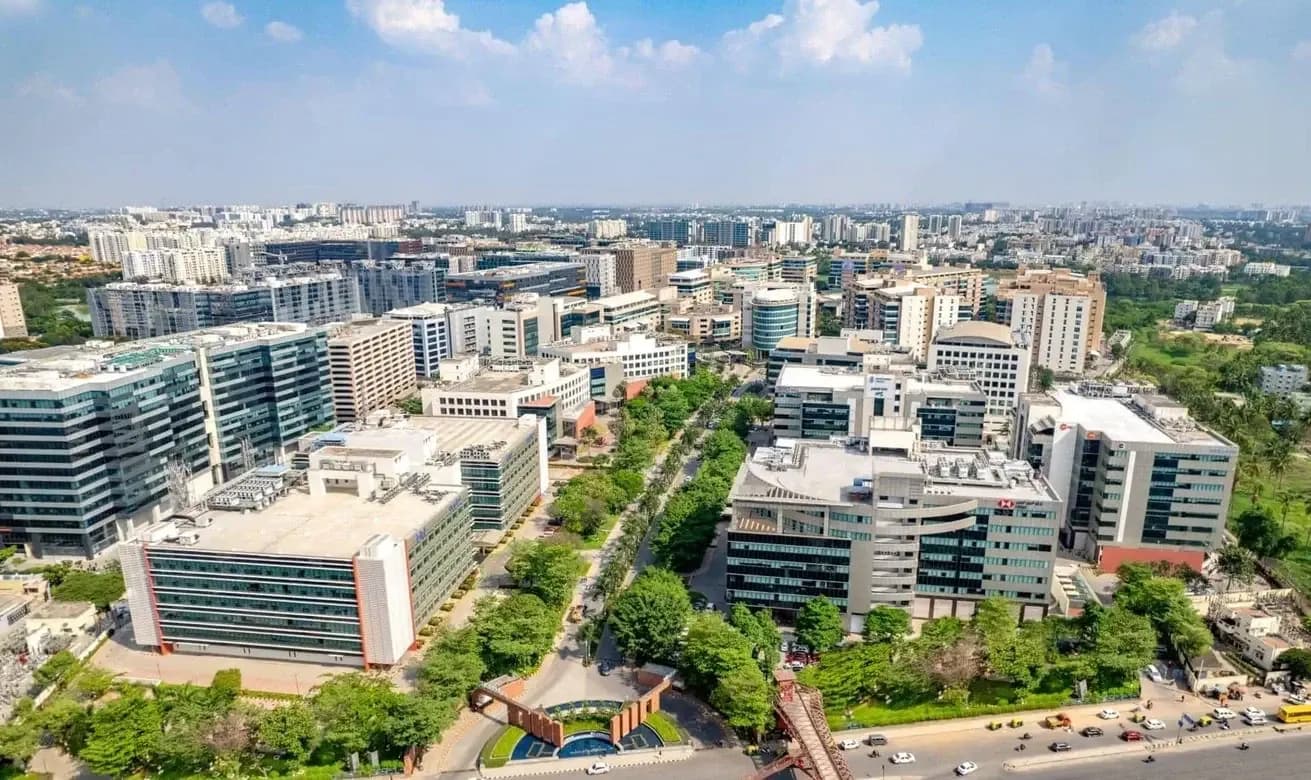
Bengaluru continues to strengthen its position as one of India’s leading technology and innovation hubs, attracting global enterprises, Global Capability Centres (GCCs), start-ups and large domestic organisations.
This growth has created a strong demand for workplaces that can be delivered within tight timelines while meeting increasingly high expectations around quality, employee experience, technology, sustainability and cost efficiency.
Delivering workplace projects in this environment requires more than managing construction schedules. It calls for a strategic approach that brings together speed, quality, cost and stakeholder expectations across the project lifecycle.
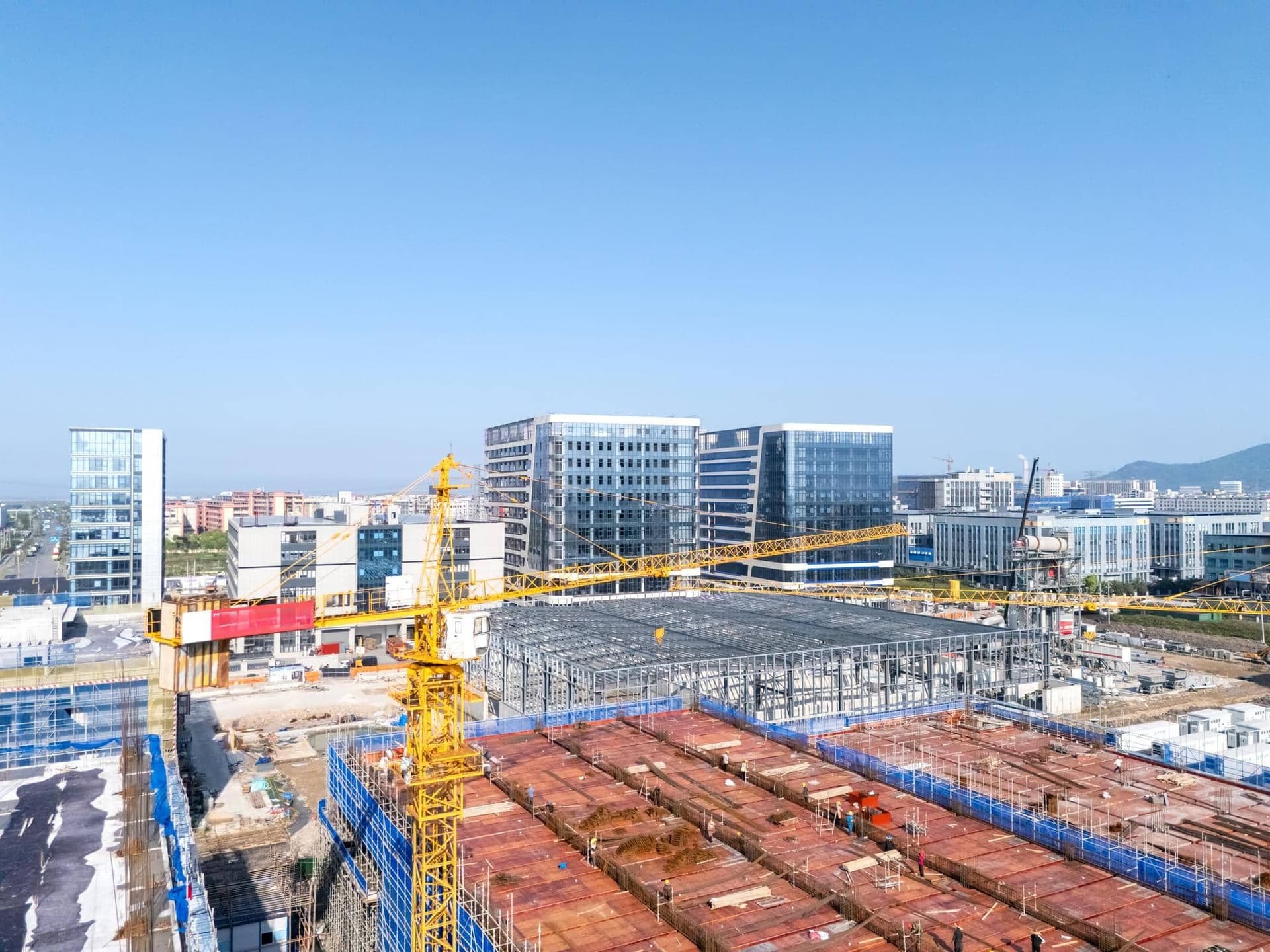
Speed Is a Business Imperative
For organisations expanding across key commercial corridors such as Outer Ring Road (ORR), Whitefield, Manyata Tech Park and Electronic City, workplace timelines are often closely linked to business expansion, hiring plans and operational requirements.
The need to become operational within months makes speed an important consideration in project delivery.
However, faster delivery does not mean compromising on planning or quality. Achieving accelerated timelines requires detailed planning, parallel execution, early procurement and proactive risk management.
The ability to deliver faster comes from better coordination, timely decision-making and identifying potential challenges before they affect the project schedule.
Quality Cannot Be Compromised
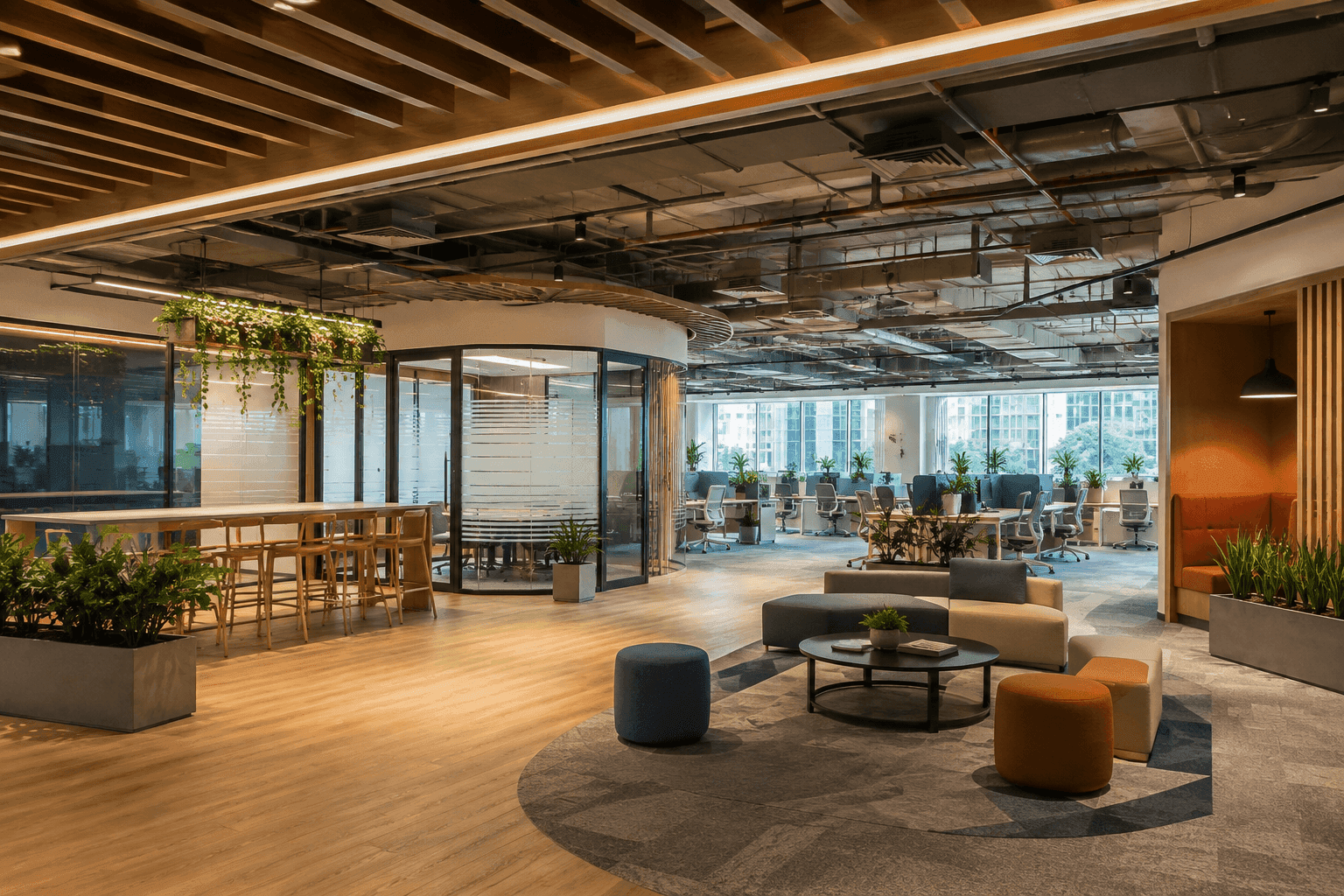
Workplace expectations have evolved significantly. Organisations are increasingly looking for environments that support collaboration, technology, employee wellbeing and productivity.
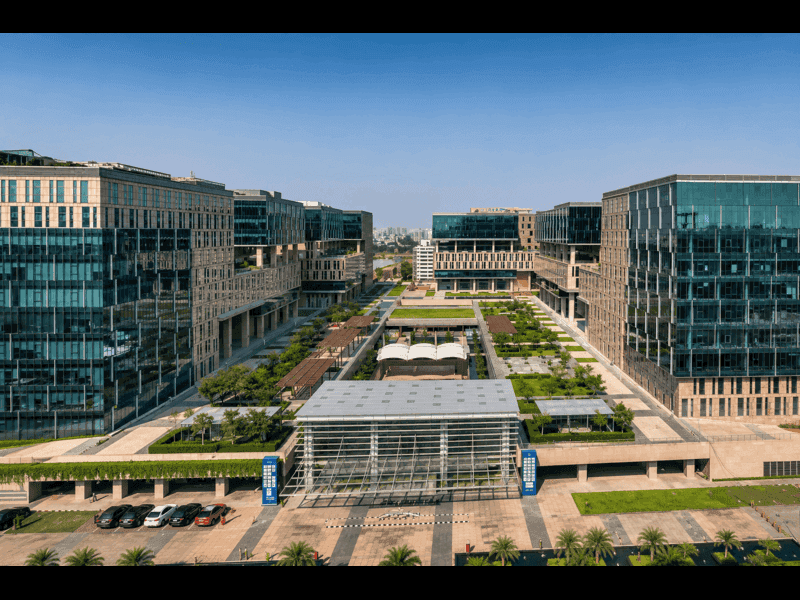
This is reflected in developments such as Embassy Manyata Business Park, RMZ Ecoworld, Embassy TechVillage, Prestige Tech Park and Bagmane Tech Park, where workplace environments place increasing emphasis on functionality, experience and technology.
At the same time, attempts to accelerate delivery by reducing quality checks can result in rework, additional costs and schedule delays.
A more effective approach is to integrate quality management throughout the project. Clear specifications, regular inspections, effective coordination and timely quality checks can help maintain delivery standards without compromising timelines.
Managing Cost Without Compromising Value
An active commercial real estate market and strong demand for workplace infrastructure make cost management an important consideration.
Material costs, MEP systems, furniture procurement and the availability of skilled contractors and vendors can all influence project economics. This makes early commercial planning particularly important.
Effective cost management can be supported through:
-
Strategic sourcing
-
Vendor consolidation
-
Design optimisation
-
Value engineering
-
Scope control
-
Early procurement planning
The objective should not simply be to reduce expenditure, but to achieve the best possible outcome within the available budget.
Early decisions around design, specifications, procurement and scope can help minimise cost escalation and avoid expensive changes during execution.
Aligning Multiple Stakeholders
Workplace projects bring together a diverse group of stakeholders, including business leaders, real estate teams, HR, IT, facilities management, procurement, finance, consultants and construction partners.
Each stakeholder may have different priorities. Business leaders may focus on occupancy timelines, IT teams on infrastructure readiness, HR on employee experience, and facilities teams on operational efficiency and maintainability.
Without effective coordination, these competing priorities can affect project timelines, budgets and overall outcomes.
Clear governance, regular communication, structured review meetings, transparent reporting and defined decision-making processes are therefore essential.
Effective stakeholder management ensures that everyone understands the project priorities and that critical decisions are taken at the right time.
Sustainability Is Becoming an Integral Part of Workplace Planning
Sustainability is increasingly becoming an important consideration in workplace projects.
Organisations are looking to align their workplaces with broader ESG objectives while improving energy efficiency, resource utilisation and employee wellbeing. Green-building standards are also influencing the planning and delivery of commercial workplaces.
Developments such as Embassy TechVillage and Embassy Manyata, along with other LEED-certified campuses, demonstrate the growing emphasis on:
-
Energy-efficient lighting
-
Smart building technology
-
Water conservation
-
Sustainable materials
-
Effective waste management
The key is to consider sustainability early rather than introduce it towards the end of the project.
When environmental objectives are incorporated during planning and design, organisations can better balance sustainability goals with cost, timelines and operational requirements.
Key Lessons for Successful Workplace Delivery
While every workplace project has its own requirements, several principles can help improve project delivery:
-
Align stakeholders early Establish priorities, responsibilities and decision-making processes at the beginning of the project.
-
Take critical decisions early Timely decisions on scope and design can reduce delays, changes and additional costs during execution.
-
Plan for risks, not just timelines Proactive risk identification and mitigation can help address challenges before they affect delivery.
-
Maintain transparent governance Regular communication and structured reporting help keep stakeholders aligned throughout the project lifecycle.
-
Focus on business outcomes A workplace project should be evaluated not only on construction milestones, but also on how effectively it supports business objectives.
-
Build strong project partnerships Close collaboration between consultants, contractors, vendors and project teams is essential to navigating complex workplace projects.
Delivering Workplaces That Support Business Growth
Workplace project delivery in Bengaluru requires a combination of strategic planning, technical expertise, commercial discipline and effective stakeholder management.
Whether it is a GCC expansion in Whitefield, a workplace along the Outer Ring Road or a large-scale development in North Bengaluru, every project comes with its own timelines, operational requirements and business priorities.
The role of workplace project management is therefore evolving beyond simply delivering a physical space. It is about translating business objectives into workplaces that are functional, efficient, adaptable and ready to support an organisation’s future needs.
As workplace requirements continue to evolve, successful project delivery will depend on the ability to bring together speed, quality, cost efficiency and stakeholder alignment without compromising the overall vision.
Looking Ahead: Building for What Comes Next
As Bengaluru continues to attract businesses and Global Capability Centres, workplace requirements will become increasingly dynamic. Organisations will look for spaces that can adapt to changing workforce models, technology needs and business priorities.
This will place greater emphasis on flexibility, scalability, sustainability and technology integration in workplace planning and delivery.
For project teams, the focus will go beyond delivering on time and within budget. Anticipating future requirements and building adaptability into workplace design and execution will become increasingly important.
The workplaces of the future will not only need to perform efficiently today but also adapt and support business growth over the long term.